Today marked the 56th observance of Earth Day, a global movement that began in 1970 to raise awareness of environmental challenges and inspire action. What started as a grassroots effort has grown into the largest secular holiday in the world, engaging more than one billion people each year in protecting and preserving our planet.
Right here in Logan County, students from the Benjamin Logan Environmental Science Club and Elementary Science Club took that message to heart.
Learning the “Why” Behind Earth Day
The day began with students learning about the history and impact of Earth Day through educational videos. These lessons helped connect past environmental challenges with the ongoing work needed today, reinforcing the importance of individual and collective responsibility.
Hands-On Stewardship Across Campus
After learning the “why,” students moved quickly into action.
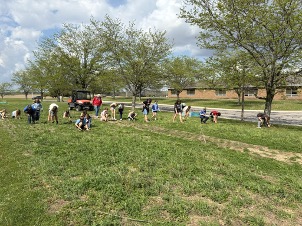
Across the campus, they worked to prepare pollinator plots and the school garden for the upcoming growing season by clearing, organizing, and getting the soil ready for new life. These spaces will soon provide critical habitat for pollinators while also serving as outdoor classrooms.
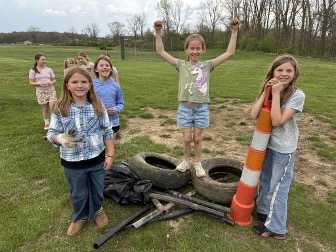
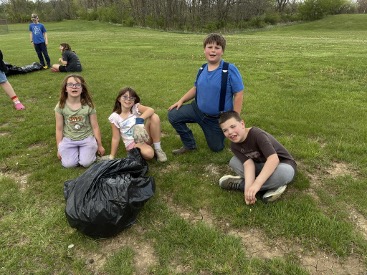
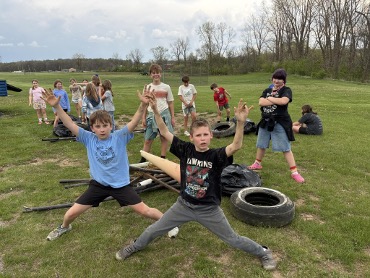
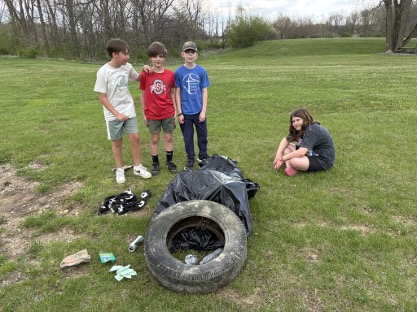
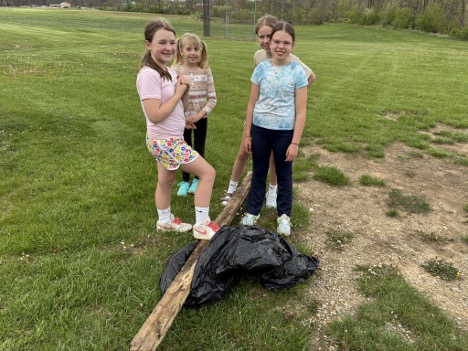
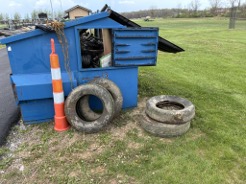
The energy continued with a friendly, competitive cleanup of the land lab, where five student teams worked to collect litter. Their efforts made a visible difference, removing a significant amount of debris and restoring the natural space for both learning and wildlife.
Signs of a Healthy Environment
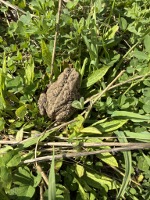
While working outdoors, students were reminded of the importance of biodiversity. As one observation noted:
“Amphibians are always a good sign.”
The presence of amphibians often indicates a healthy ecosystem, reinforcing the impact of stewardship efforts like those carried out on Earth Day.
Growing the Next Generation of Stewards
The Benjamin Logan Environmental Science Club is a partnership between Benjamin Logan Schools and the Logan County Land Trust, providing students with meaningful opportunities to learn about and care for the environment.
Earth Day may be one day on the calendar, but for these students, the work continues year-round—through conservation projects, hands-on learning, and a shared commitment to protecting the world around them.