As migrating birds head south and autumn settles over Logan County, students in the Benjamin Logan Environmental Science Club are discovering that caring for the environment is a year-round responsibility.
With the purple martins already on their remarkable 3,000-mile journey south, it was time for members of the Benjamin Logan Environmental Science Club (ESC) to prepare the birds’ seasonal homes for their return next spring. The students cleaned out the purple martin nesting apartments and carefully stored them away until March, ensuring they would be ready to welcome their feathered visitors back for another season.
But the afternoon’s work was far from finished.
But beyond the fall festivities, the experience offered something even more meaningful: an opportunity to connect with Logan County’s agricultural heritage and discover the importance of preserving the rural landscapes and farming traditions that make our community special.
A heartfelt thank-you to the Brewer family for their generosity and hospitality in making this experience possible!
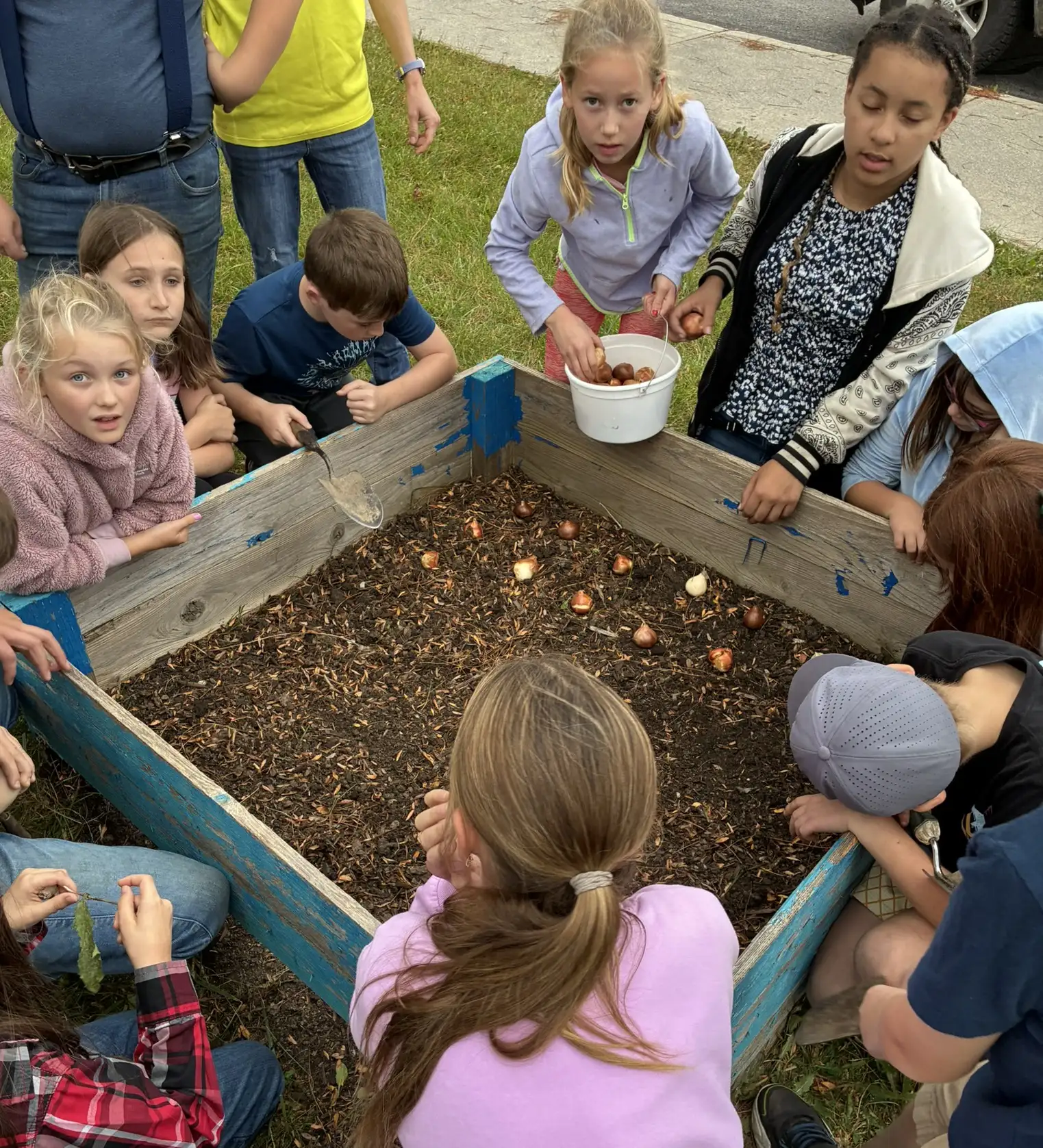
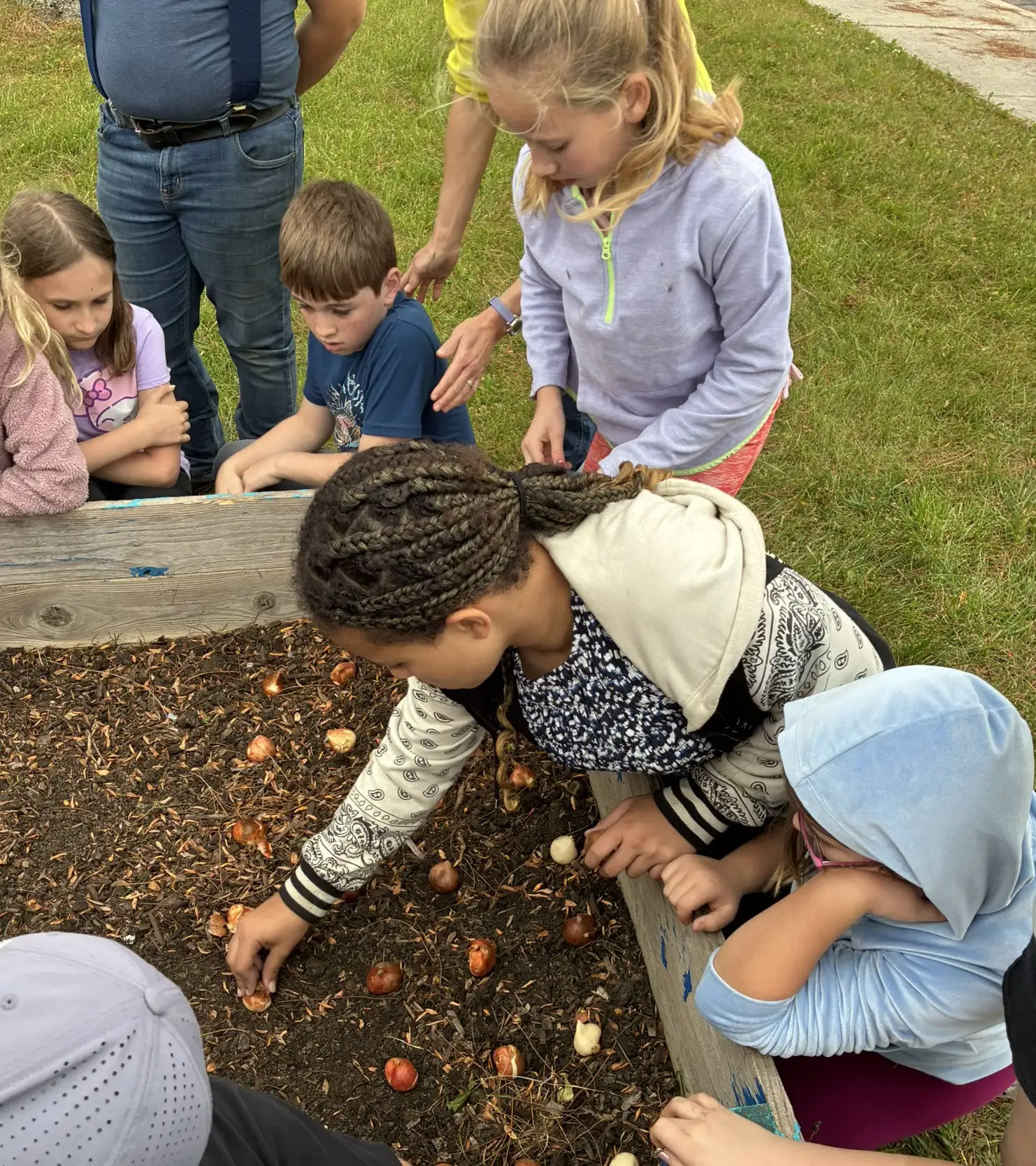
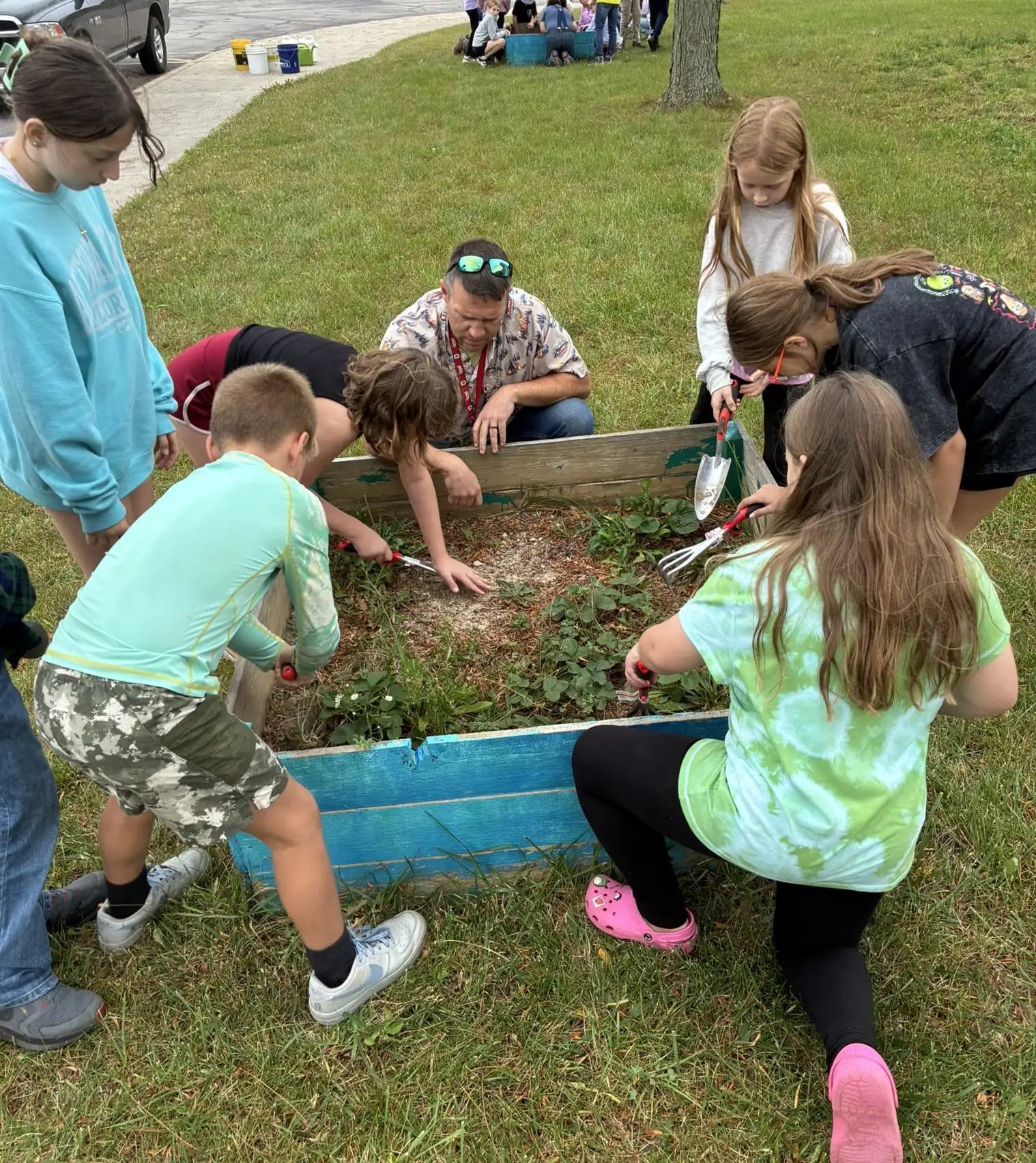
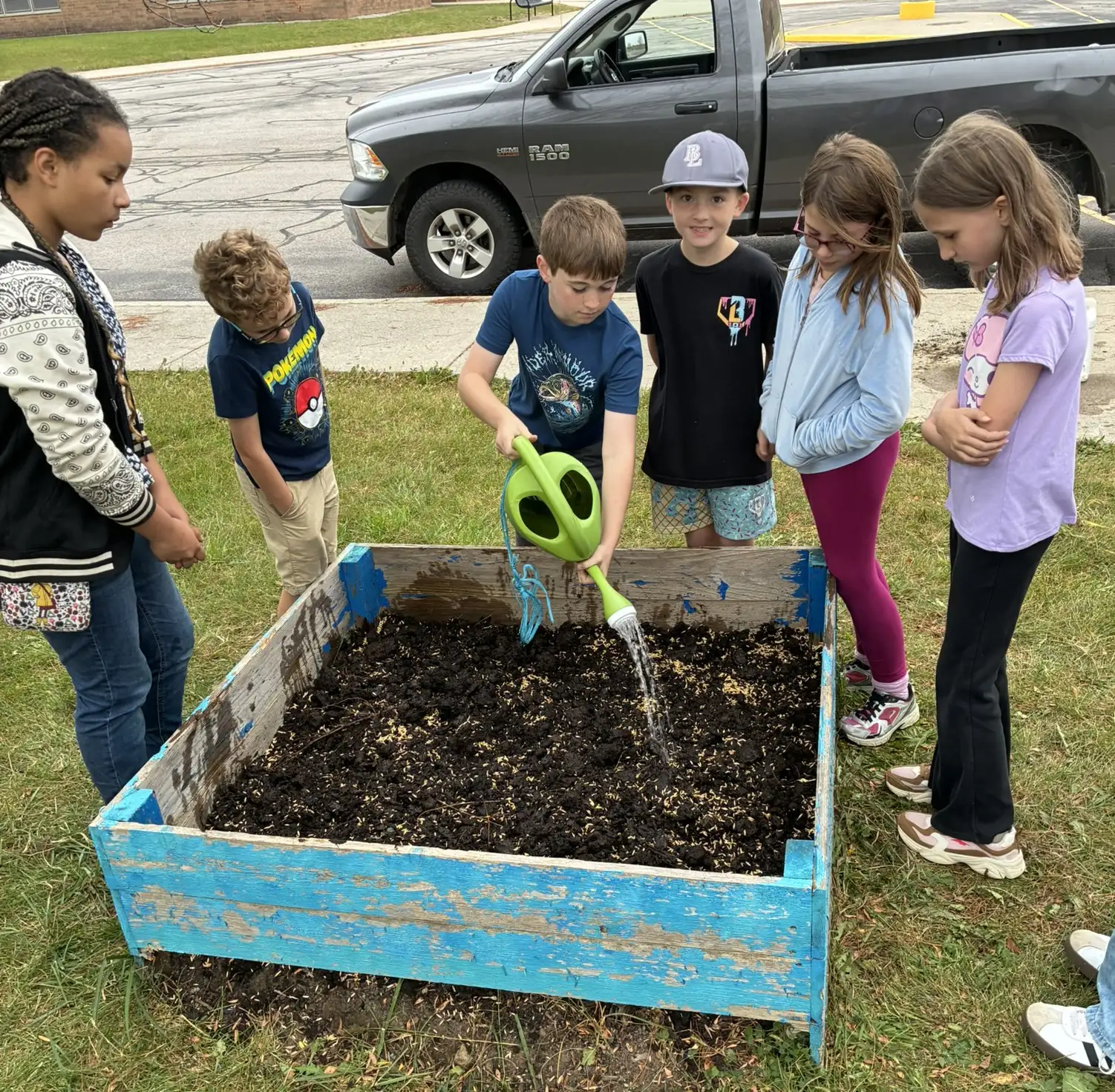
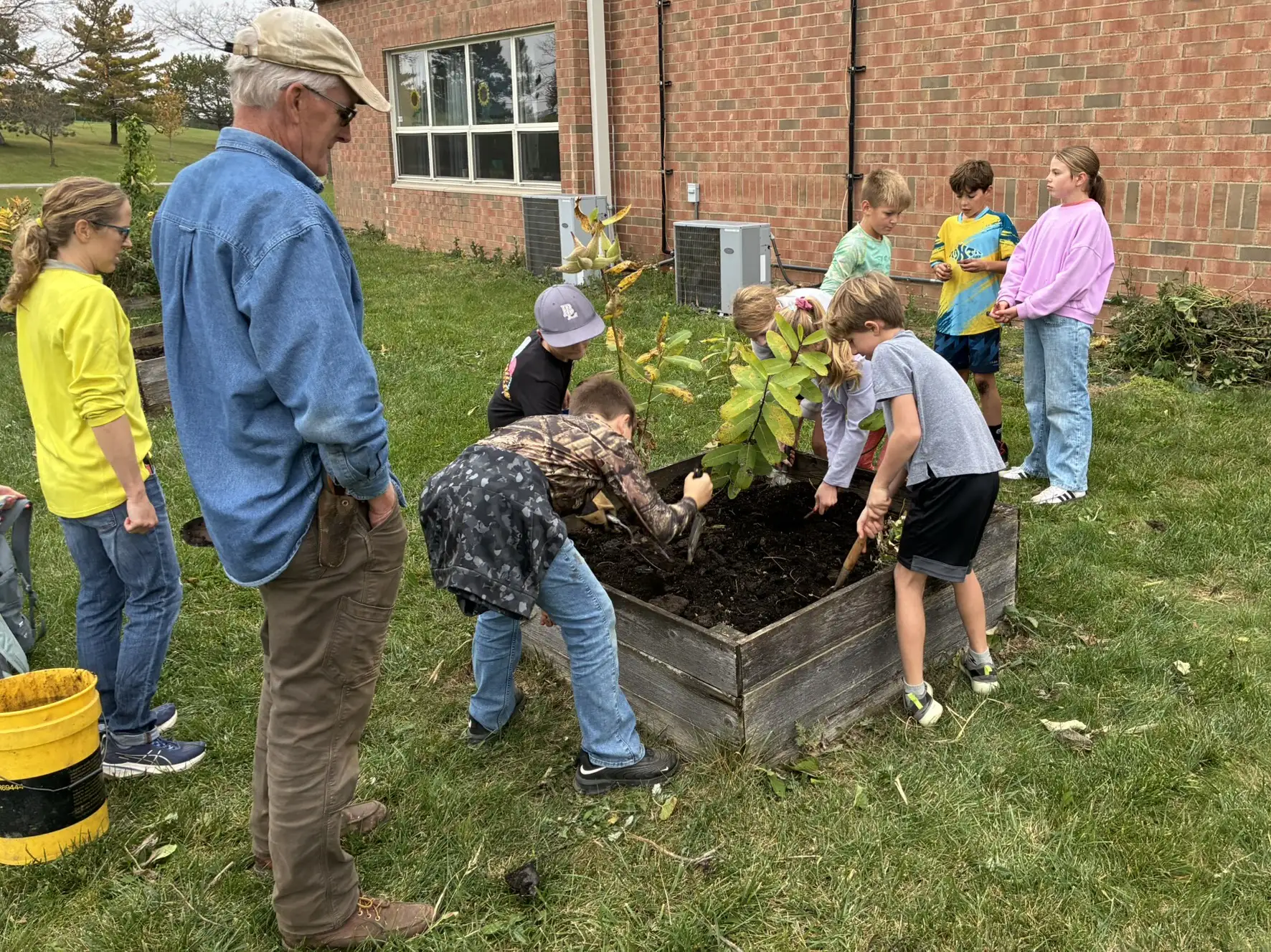
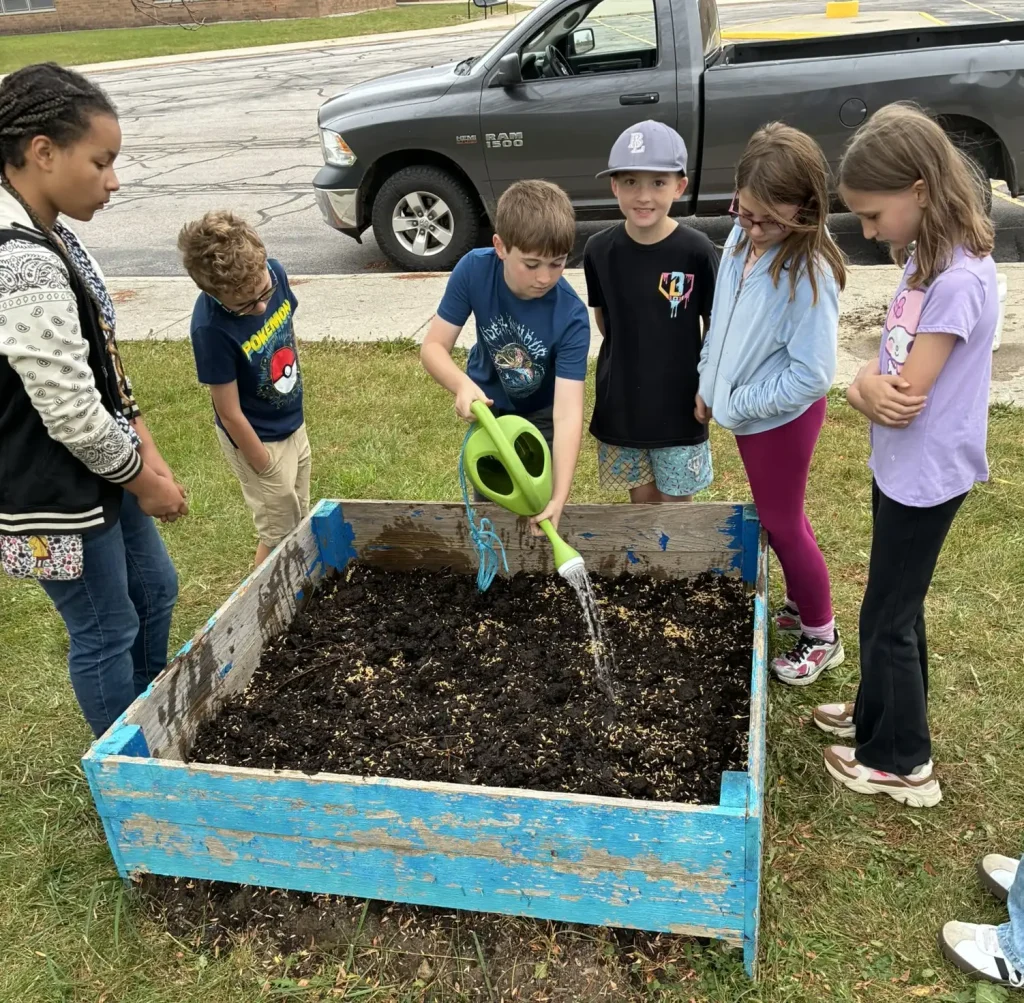
With the birdhouses tucked away, the energetic group of fourth- through seventh-grade students turned their attention to the school district’s raised garden beds and pollinator plots.
Working together, club members tackled several important seasonal tasks. They planted tulip bulbs that will bring color to the gardens next spring, cleared beds for future planting, and added fresh compost to help replenish the soil. They also planted oats as a cover crop, helping protect the soil during the colder months while supporting healthier growing conditions for the seasons ahead.
These hands-on activities offered students an opportunity to see how thoughtful garden management, soil health, and conservation practices work together. From enriching the soil with compost to using cover crops rather than leaving garden beds bare, each task demonstrated a practical way to care for the land.
The students also visited the school’s pollinator plots, where they collected milkweed pods filled with seeds that will be saved and distributed for future planting.
Milkweed plays an especially important role in supporting monarch butterflies, providing the host plants their caterpillars need to survive. By collecting and sharing milkweed seeds, the students are helping create opportunities to expand pollinator habitat and support biodiversity throughout the community.
It’s a simple activity with a meaningful lesson: even small conservation efforts can make a difference when they’re carried forward from one season to the next.
Under the guidance of Mr. Kerns, Mr. Smith, Mr. Stoll, and Mrs. Zvansky, the Environmental Science Club accomplished an impressive amount of work in a single afternoon.
More importantly, the students experienced firsthand what environmental stewardship looks like in practice. Whether maintaining nesting habitat for migratory birds, preparing garden beds for spring, or collecting seeds to support pollinators, they are learning that conservation requires curiosity, commitment, and a willingness to get their hands dirty.
The Benjamin Logan Environmental Science Club, co-sponsored by the Benjamin Logan School District and the Logan County Land Trust, provides students with opportunities to explore the natural world through meaningful, hands-on experiences.
And while the purple martins may be thousands of miles away, these young conservationists are already making preparations for their return.