
Young scientists in the Benjamin Logan Environmental Science Club (ESC) recently dove deep into the world of science—both microscopic and ecological—through two engaging, hands-on learning experiences that brought classroom concepts to life.
Seeing the Unseen: Life Under the Microscope
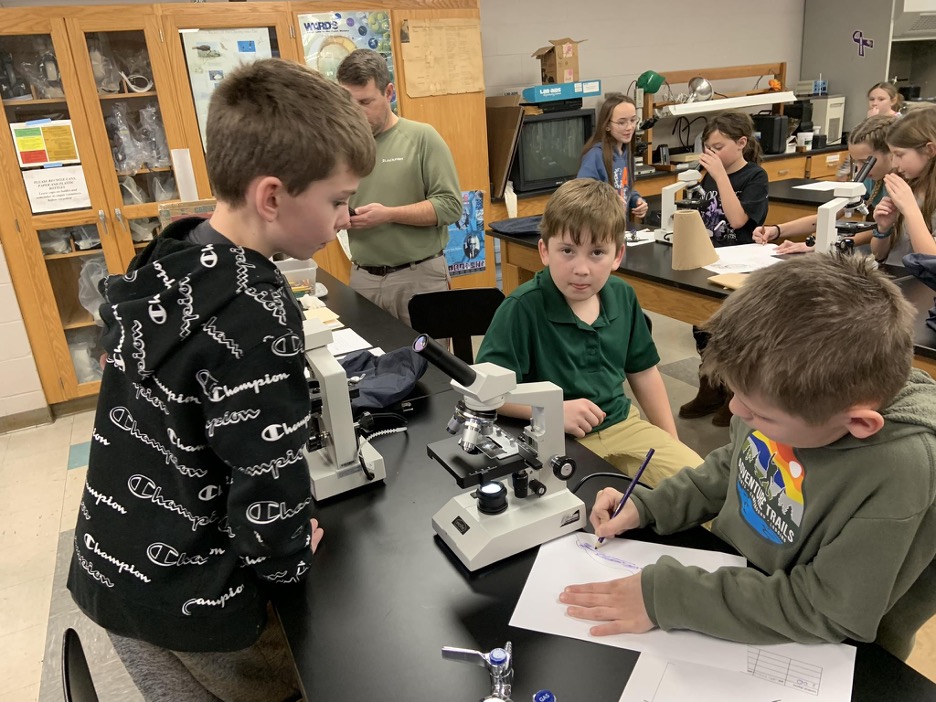
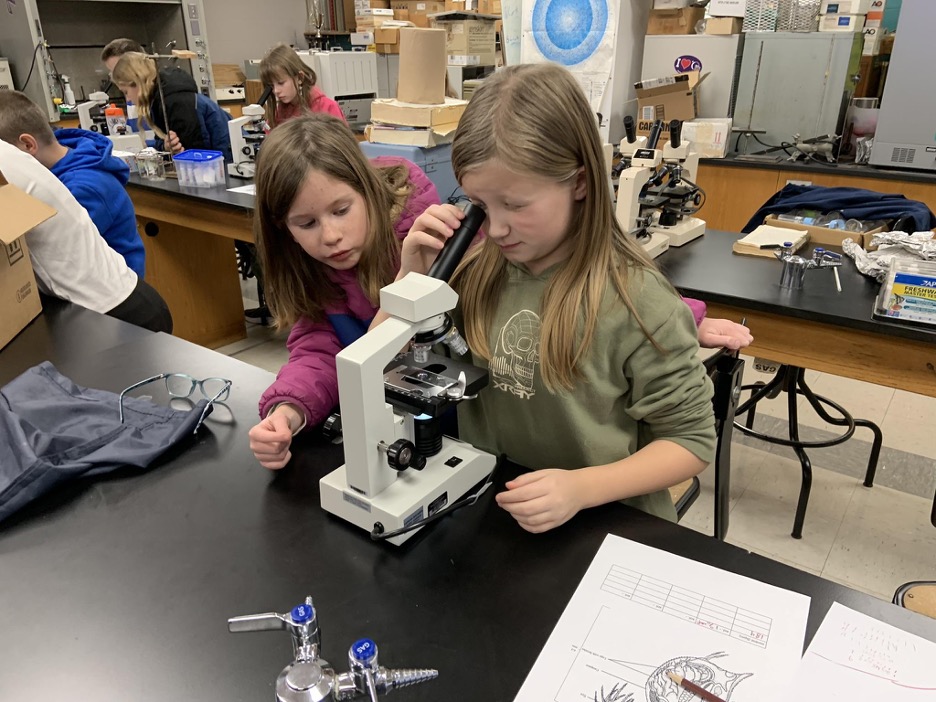
In one recent session, students learned how to properly use a compound light microscope, gaining skills in selecting magnification, focusing specimens, and adjusting the diaphragm to control light. Working in pairs, the group examined Daphnia, commonly known as water fleas—tiny crustaceans about the size of a BB that play a critical role in aquatic ecosystems as a primary food source for fish.
Despite their small size, Daphnia have a visible heart, making them ideal for studying biological responses to environmental changes. Students tested the effects of various substances—including salt, caffeine, and carbonated water—on heart rate. As data was collected, students compared results, identified trends, and discussed whether the numbers made sense scientifically. The lab sparked thoughtful conversations about experimental design, cause-and-effect relationships, and how pollutants can impact aquatic life.’
Understanding Wildlife Carrying Capacity
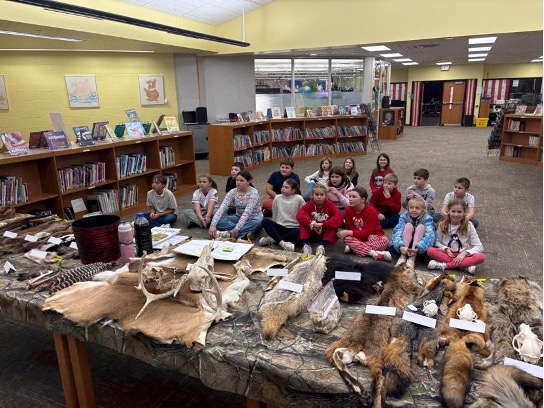
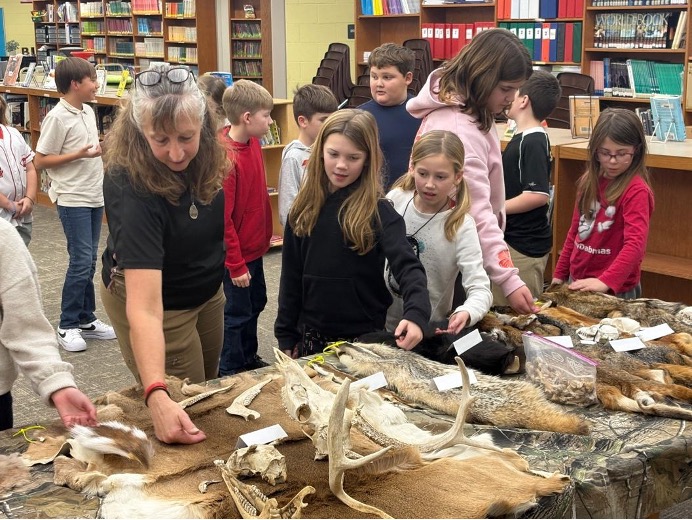
The following week, the focus shifted from microscopes to ecosystems. Rhonda Farley, naturalist with the Shelby County National Wild Turkey Federation, led a dynamic program on habitat carrying capacity. Students learned how Ohio’s wildlife populations have changed over the past 200 years and how environmental factors influence population growth and decline.
An active simulation helped students visualize how wildlife numbers fluctuate in response to habitat changes, food availability, and human activity. The discussion emphasized how people can play either a positive or negative role in shaping wildlife populations.
To deepen the experience, students examined a collection of Ohio native species pelts and skulls, giving them a hands-on connection to the animals they were studying. The session concluded with journaling, allowing students to reflect on what they learned and how it applies to real-world conservation.
Building Future Environmental Stewards
The Environmental Science Club is a collaborative effort between Benjamin Logan teachers Bruce Smith and Ryan Kerns and Logan County Land Trust director Bob Stoll. Together, they provide meaningful educational experiences that encourage curiosity, critical thinking, and environmental stewardship.
To learn more about the Logan County Land Trust and programs like the Environmental Science Club—or to get involved through volunteering or donations—visit our donation page. Your support helps inspire the next generation of scientists and conservation leaders.