When many people think of the Logan County Land Trust, they naturally think of farmland. Protecting productive agricultural land has been—and continues to be—a cornerstone of our mission.
But conservation extends beyond cultivated fields.
Across Logan County are woodlots, wetlands, native grasslands, creek corridors, and other natural areas that quietly support our farms, our wildlife, and our quality of life. These places often receive little attention until they disappear, yet they provide benefits every day.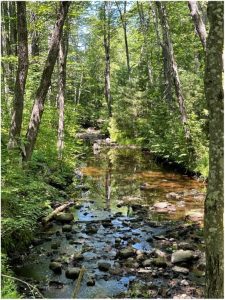
Forests help filter rainwater before it reaches our streams. Wetlands reduce flooding by storing excess water during heavy rains. Native grasses provide habitat for pollinators that support both crops and wild plants. Healthy stream corridors reduce erosion and improve water quality for everyone downstream.
Together, these landscapes form a connected system that keeps Logan County healthy and resilient
Many families own wooded acreage that has been passed down for generations. It may never have been farmed, but it holds hunting memories, family traditions, wildlife habitat, or scenic beauty that cannot be replaced.
As development pressures continue to grow, these special places can become fragmented or lost forever.
Conservation easements provide landowners with an opportunity to voluntarily protect these properties while retaining ownership. The land remains in private hands and can continue to be enjoyed by future generations according to the terms established by the landowner.
White-tailed deer, wild turkey, songbirds, pollinators, and countless other species rely on a mixture of forests, meadows, wetlands, and waterways. Protecting isolated parcels is valuable, but protecting connected landscapes creates healthier habitats that allow wildlife to thrive.
Even a relatively small woodland or stream corridor can play an important role in preserving biodiversity across the county.
Not every conservation project looks the same.
Some properties protect a family forest.
Others preserve wetlands that improve water quality.
Some safeguard historic landscapes that have remained largely unchanged for generations.
Each conserved property reflects a landowner’s desire to leave something lasting for future generations.
If you own wooded acreage, natural areas, or land with significant environmental or historical value, we’d welcome the opportunity to discuss your conservation goals. Every property is unique, and every conversation begins with listening to what matters most to you.
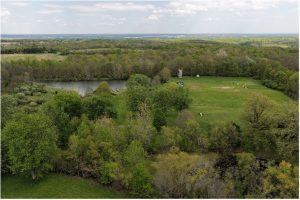
Protecting Logan County’s future means protecting more than farmland—it means preserving the natural landscapes that make this county a special place to live, work, and enjoy.
Whether your land grows crops, shelters wildlife, or simply provides a quiet place for your family to gather, it may have lasting conservation value.
You don’t have to own hundreds of acres to support conservation.
You can help by:
Together, we can preserve the forests, streams, wetlands, and open spaces that make Logan County a remarkable place to call home—for today and for generations to come.