Some people inherit land.
Others inherit a responsibility.
For Don King, this farm has never been measured simply by acres or buildings. It represents more than a century of family history and the privilege of caring for something that has been entrusted to each generation.
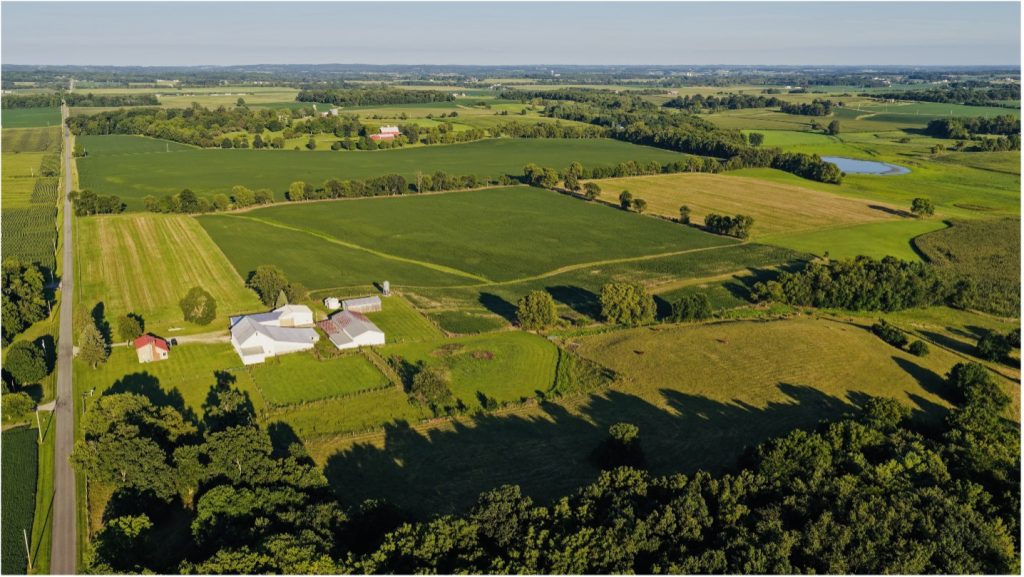
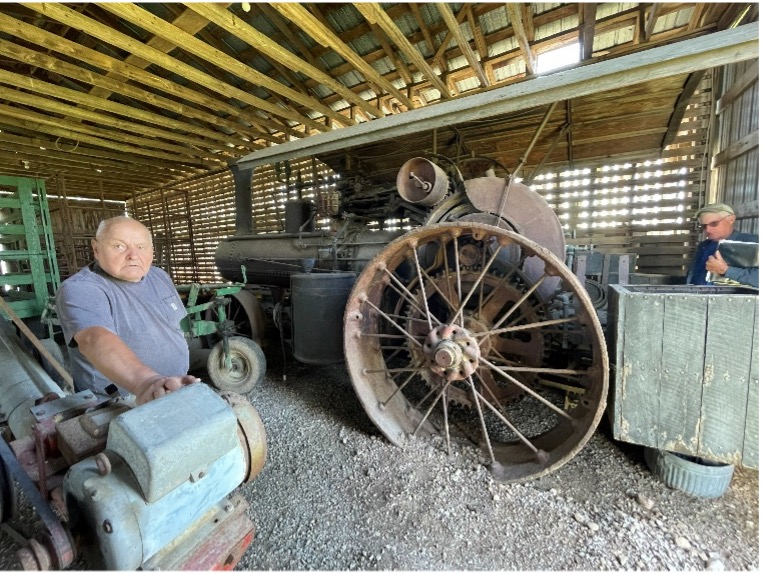
For more than one hundred years, members of the King family have called this place home. Long before modern equipment and GPS-guided tractors, Don’s grandfather was building a future here. The family’s iconic barn—still standing today—was built in 1916. More than a century later, Don is investing in a new roof, continuing the family’s tradition of preparing the farm not only for today, but for those who will one day care for it themselves.
Every generation has left something behind for the next.
Growing up on the farm, Don learned that its greatest lessons weren’t found in a classroom. They came through early morning chores, caring for livestock, working alongside family, and watching each season bring new responsibilities. Like many farm families of the time, the Kings raised dairy cows, beef cattle, hogs, sheep, chickens, rabbits, and crops. They also raised red clover, harvesting not only the hay but the seed itself—a labor-intensive practice that required patience, skill, and an understanding of the land.
For individuals and families interested in supporting farmland preservation, environmental education, restoration projects, and conservation efforts throughout Logan County, charitable IRA giving may provide an opportunity to create a lasting impact while supporting the long-term stewardship of the land we all share.
Those experiences shaped Don long before he realized he would someday become the farm’s steward.
Today, agriculture remains woven into the King family’s life. One of Don’s grand-daughters raises beef cattle and has shown in the “best” shows around the state. Another one is certified in artificial insemination (AI), continuing the family’s long tradition of livestock production. Several of Don’s grandchildren have followed that example, raising and exhibiting beef cattle through 4-H and at the Logan County Fair. While each person finds their own path, the farm continues to provide a place where young people learn responsibility, develop confidence, and gain an appreciation for the land.
Just as importantly, it remains where the family comes together.
When Don talks about family gatherings, he smiles.
“If you ask the kids where they want to meet, they’ll say, ‘Let’s meet out at the farm.'”
Birthdays, holidays, cookouts, and ordinary weekends naturally find their way back to the farm. It is where old stories are retold, grandchildren create new memories, and family bonds continue to grow.
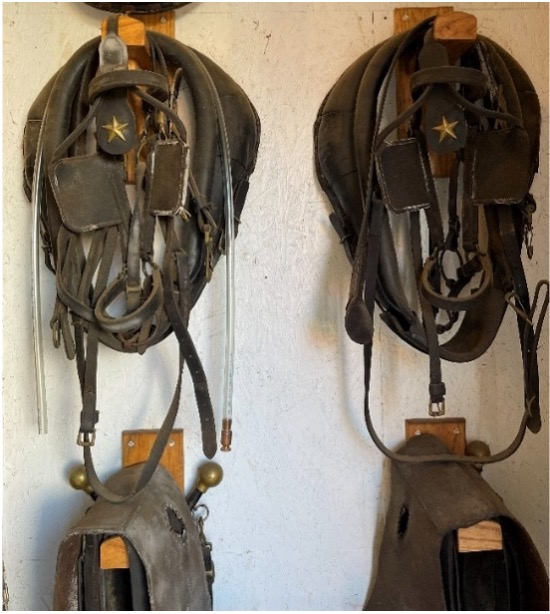
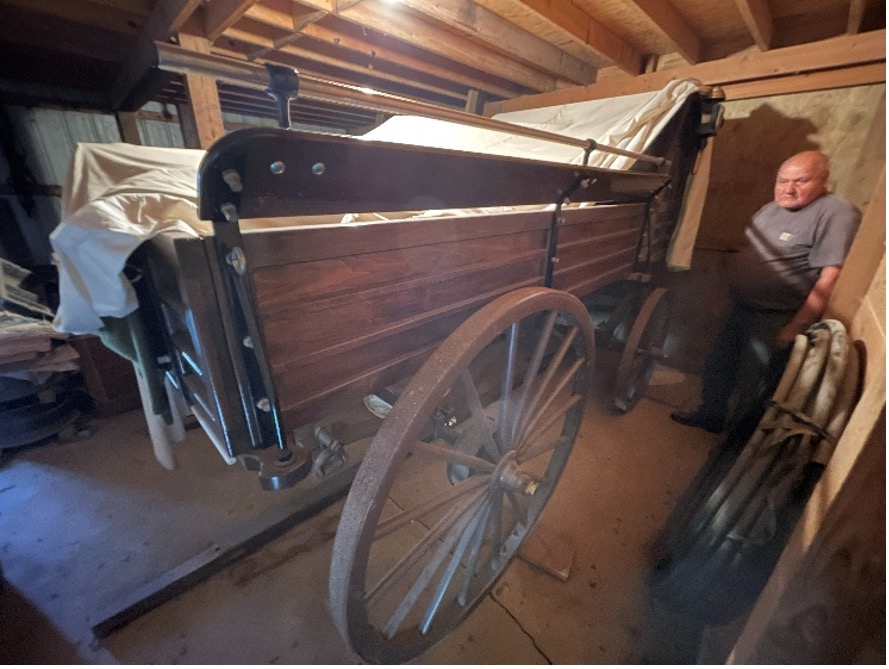
For Don, those moments say more than any recognition the farm has ever received. They affirm that the farm is more than property—it is where the family belongs.
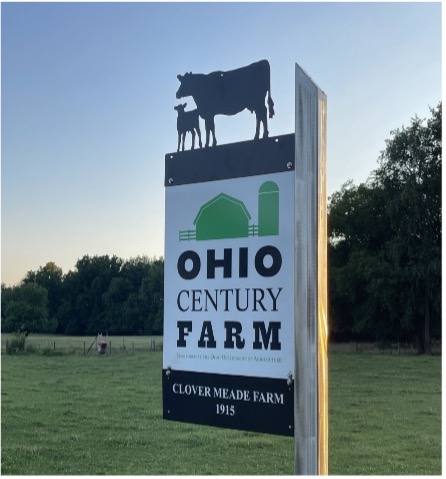
When Don began researching the history of the property, he discovered just how deep those roots extended. With assistance from the Logan County Land Trust and research conducted through the Logan County Recorder’s Office, the family’s continuous ownership was documented, allowing the farm to be recognized as an Ohio Century Farm. While the designation is a meaningful honor, it represents something much greater than a certificate or roadside sign. It recognizes generations of commitment to the same piece of ground and the enduring values that have kept it intact.
Reflecting on the changes he has witnessed over the years, Don offers a simple observation that speaks for many farm families across Ohio:
“I don’t like seeing farms chopped up… younger generations aren’t going to know what a family farm looked like.”
His concern isn’t rooted in nostalgia. It comes from knowing what a family farm has meant to his own family. When a family farm disappears, we lose more than productive farmland. We lose places where grandparents teach grandchildren, where traditions are passed along through everyday life, and where children discover that caring for the land is both a responsibility and a privilege. We lose gathering places that connect families across generations.
Looking at his own family gives Don reason for hope. The traditions that shaped him are still being lived by his children and grandchildren, who continue to gather at the farm, raise livestock, and create memories that cannot be recreated once a farm is divided or lost. Those experiences are built over decades and rooted in a place that remains part of the family’s identity.
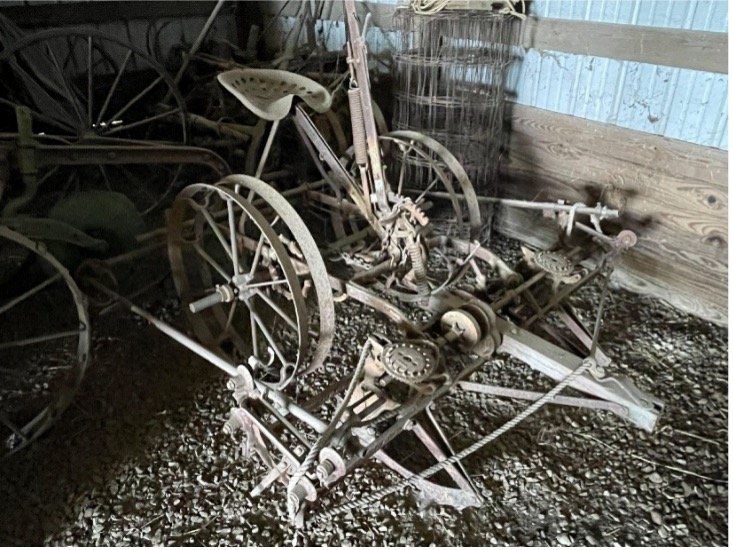
That is why the King family’s story matters.
It reminds us that conservation is ultimately about people—families who understand they are only one chapter in a much longer story. Stewardship is measured not only by the care given to the land, but by the values passed from one generation to the next. Every repaired barn, every child leading a steer into the show ring, every graduation celebrated in the old shop, and every grandchild who says, “Let’s meet out at the farm,” becomes part of a legacy far greater than one lifetime.
Throughout its history, the King family has added to that legacy through hard work, perseverance, and a commitment to leaving the farm better than they found it.
Today, Don King continues that tradition, knowing that the greatest inheritance is not the land itself, but the opportunity to pass it forward. Guided by the same values that shaped those before him, he is preserving more than a family farm. He is preserving a place where memories are made, traditions endure, and future generations will continue writing the King family’s story.
“It is only by the grace of God we have this farm. We have to take care of His creation”.
Because while buildings can stand for a century, and fields can produce crops year after year, the true legacy of a family farm is measured by the generations who care enough to preserve it—and the families who continue to call it home.