Once an Antram, Always an Antram
Five Generations, One Farm, and a Century of Caring for the Land


For the Antram family, a farm is more than acreage.

It is a place where children learn to work, where grandparents pass down lessons without necessarily realizing they are teaching them, where holidays fill an old farmhouse with laughter, and where the soil itself seems to hold the memory of those who worked it before.

For more than a century, one farm in the Stokes Township has connected generations of the Antram family to Logan County and to one another.

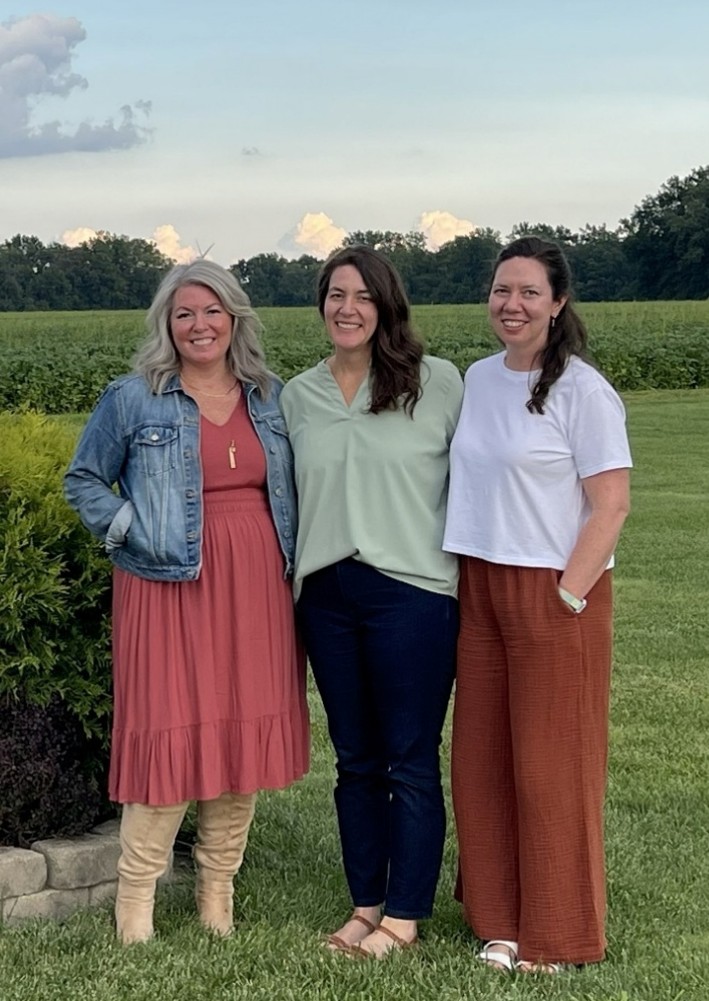
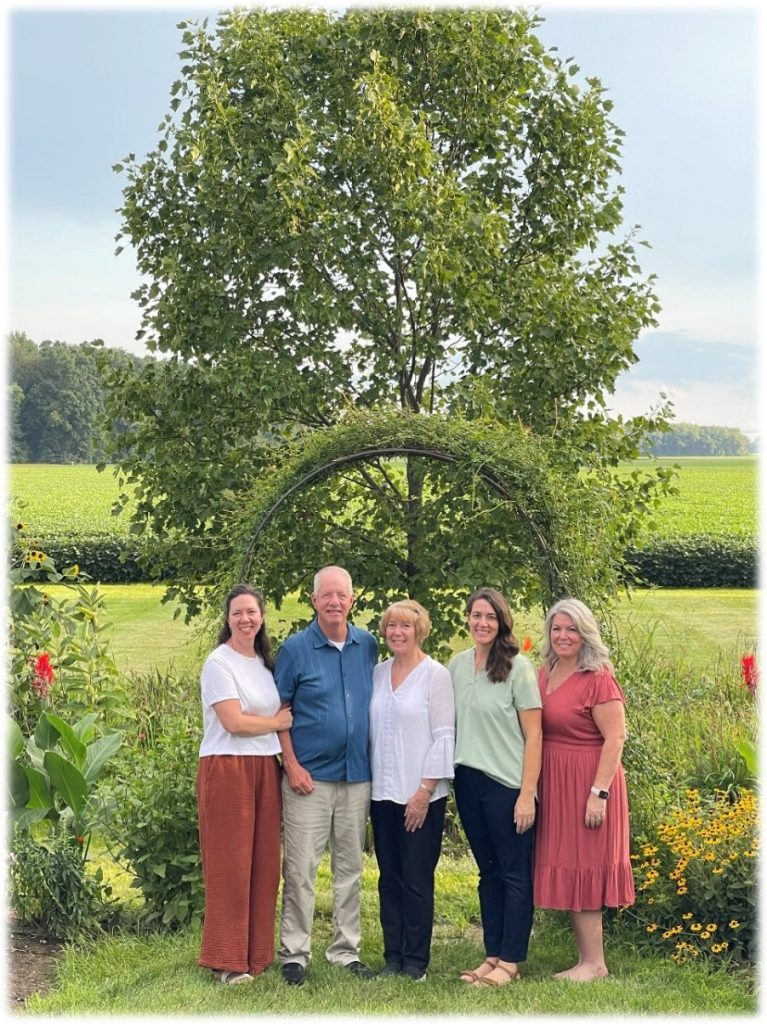
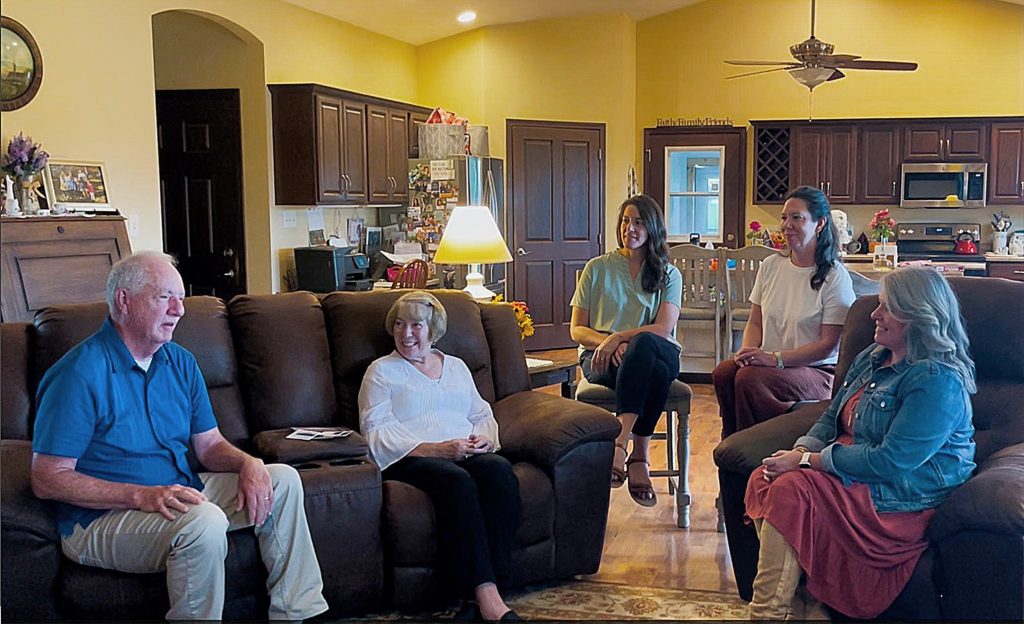
Today, Joe and Marianne Antram and their three daughters—Denise Johnson, Melanie Antram-Ingraham, and Meagan Antram-Hoyt are thinking not only about the century behind them, but about the generations still to come.

A Farm That Survived

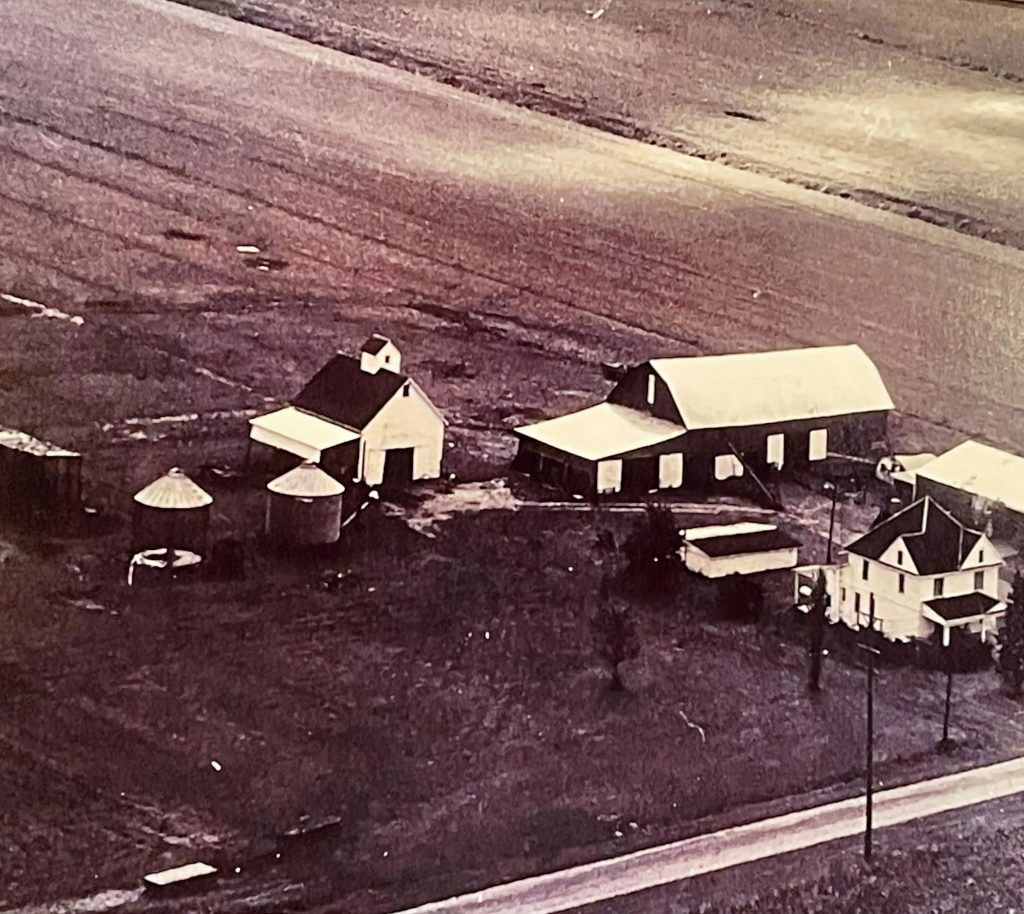
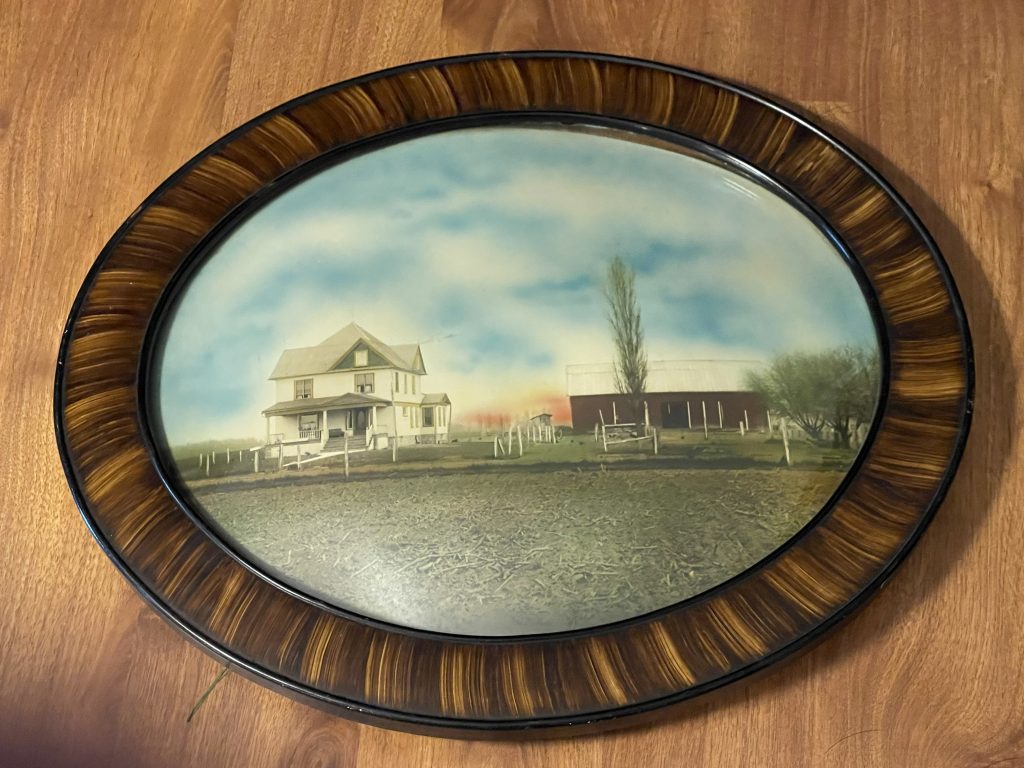
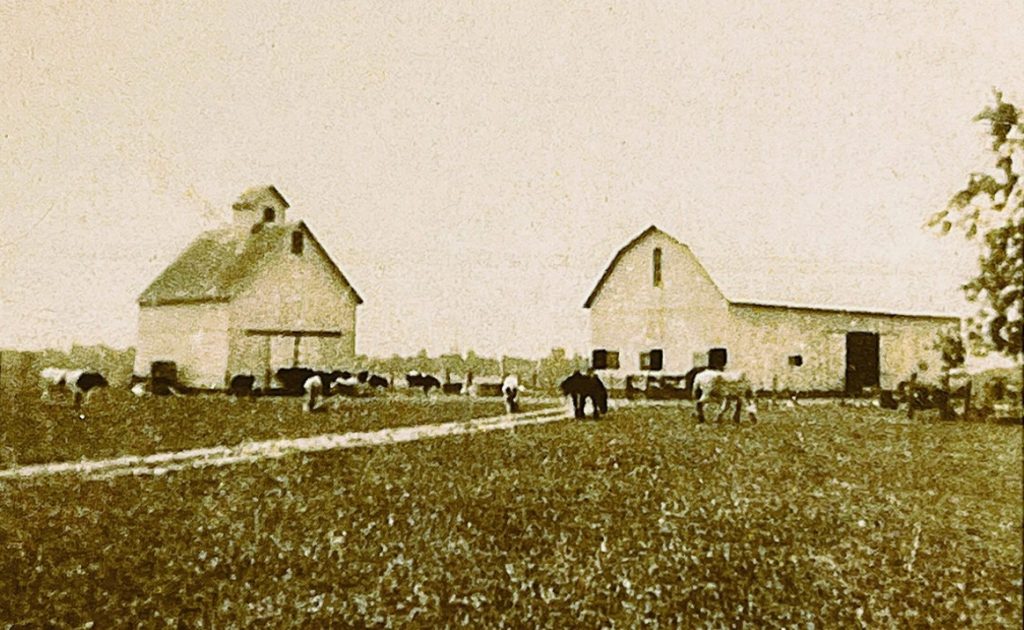
The story of the Antram farm begins in 1920, when Joe’s grandfather, J.W. (Joseph Woodard) Antram, purchased the property while living near his parents in Illinois.

At the time, J.W. had agricultural interests in several states, including Nebraska and Kansas. Then the Great Depression arrived.

“He was really overextending himself, frankly,” Joe recalled. “Then the Depression hit, and so he lost a lot of the investment in farmland, but he was able to save this farm.”

That decision changed the course of the Antram family.

The family moved from Illinois to Logan County, and the farm became home. Joe’s father grew up there. Joe and his siblings grew up there. And although Joe and Marianne later raised their daughters in Bellefontaine, the farm remained a constant presence in their lives.

Their memories are the kind that can only come from growing up around a family farm.

They drove little tractors and rode in the big ones. They learned to drive in an old farm truck in the fields. They played in the barn, jumped in the hay, chased dogs, explored the creek and helped their grandmother in her gardens.

The farm gave them something else that has become increasingly rare for children: freedom.

“We could do whatever we wanted,” Meagan remembered. “We could go play in the creek. We could play in the barns. We could play in the house. The freedom—there’s nothing like freedom on a farm.”

That freedom came with lessons.

Children on a farm learn quickly that everyone has a role.

Joe remembers growing up when the farm included steers, hogs and hundreds of chickens. His father, mother, brother and other family members all contributed. 
Their memories are the kind that can only come from growing up around a family farm.

They drove little tractors and rode in the big ones. They learned to drive in an old farm truck in the fields. They played in the barn, jumped in the hay, chased dogs, explored the creek and helped their grandmother in her gardens.

The farm gave them something else that has become increasingly rare for children: freedom.

“We could do whatever we wanted,” Meagan remembered. “We could go play in the creek. We could play in the barns. We could play in the house. The freedom—there’s nothing like freedom on a farm.”

That freedom came with lessons.

Children on a farm learn quickly that everyone has a role.

Joe remembers growing up when the farm included steers, hogs and hundreds of chickens. His father, mother, brother and other family members all contributed. 
Her granddaughters remember a woman who could work hard, manage money carefully and make a home beautiful at the same time.

She washed and reused plastic bags and containers. She canned and preserved food. She loved auctions and collected linens and dishes. Her dining-room table was beautifully set even when no company was expected.

When company did arrive, especially during the holidays, the farmhouse came alive.

“The house was really filled with laughter,” her granddaughters recalled. “It was so loud, but so fun.”

Jane also worked alongside her husband when the farm demanded it.

The family remembers Joe’s father calling, “Janie, put a rag on your head, it’s time to go out.”

And out she went.

Perhaps one of the most important family memories came after Joe’s father died, when Jane finished paying off the farm.

For her granddaughters, that accomplishment remains a powerful lesson.

The survival of a family farm, they learned, requires more than physical strength. It takes intelligence, sacrifice, financial discipline, perseverance and resilience.


From Horses to Modern Agriculture

A century is a remarkably short period when measured against the land, but an extraordinary amount can change in agriculture during that time.

When Joe’s grandfather began farming the property, horses provided the power.

Today, massive agricultural equipment can accomplish in a few days work that once consumed much of a season.

Every so often, while working the ground, another old horseshoe emerges from the soil. The family keeps them.

They are small reminders of just how much has changed.

Joe remembers years when harvesting stretched into winter and corn was picked in January in subzero temperatures.

“My family’s blood, sweat and tears are in this soil,” he said. “It’s never been easy.”

But honoring the past does not mean farming the way previous generations did.

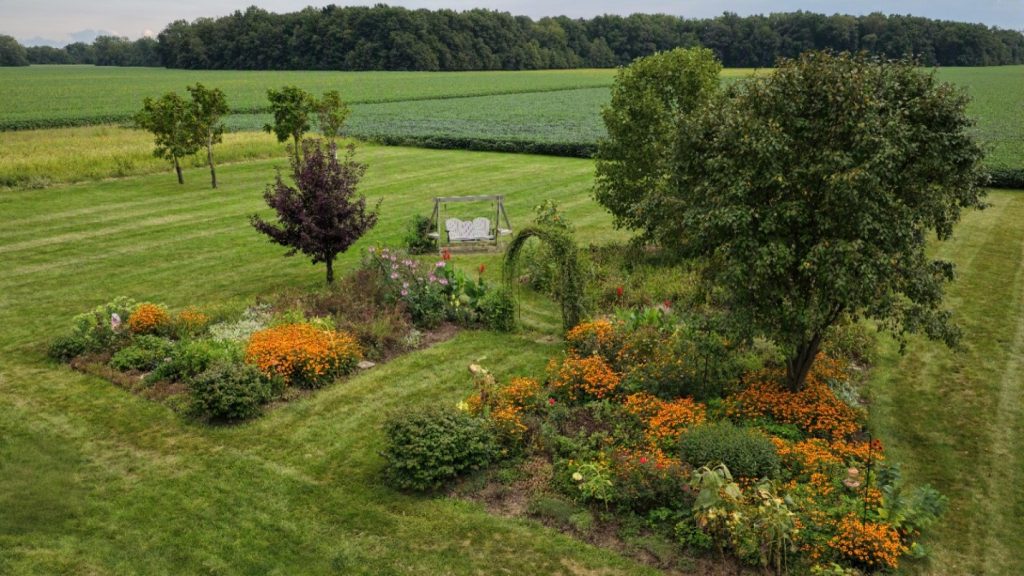
The Antrams have embraced changes in equipment, farming practices, drainage, soil fertility and conservation. The farm has evolved from livestock to grain production and now includes pollinator habitat.

That willingness to change is part of its survival.

“Hard work, yes, but also the creativity and innovation,” Melanie explained. “Our grandparents started with dairy, then it went to hogs, then went full in grain, and now we have pollinators. And we continue to think, ‘What will be most sustainable so we can keep this for our future generations?’”

That question—what will allow the farm to remain healthy for future generations—has increasingly shaped the family’s thinking.

“Hard work, yes, but also the creativity and innovation,” Melanie explained. “Our grandparents started with dairy, then it went to hogs, then went full in grain, and now we have pollinators. And we continue to think, ‘What will be most sustainable so we can keep this for our future generations?’”

That question—what will allow the farm to remain healthy for future generations—has increasingly shaped the family’s thinking.

Keeping the Next Generation at the Table

Perhaps the most important thing Joe and Marianne have done for the future of the farm has nothing to do with machinery, drainage tile or crops.

They have given their daughters a voice.

When the longtime renter was done working the Antram land to retire, Joe and Marianne didn’t simply choose his replacement.

The entire family did.

They interviewed eight farmers, with Joe, Marianne and all three daughters participating in the process.

Marianne remembers listening as her daughters asked thoughtful questions, sometimes raising issues she and Joe had not considered.

“It kind of gives me chills even now thinking that they are really invested in this also,” she said.

The three daughters are now involved in the Antram Family Farm LLC.

That name matters to them.

With three daughters, the family understood that surnames would change through marriage. The Antram Family Farm LLC provides another way for the Antram name—and what it represents—to remain connected to the land.

One of the grandchildren may have summed it up best:

“Once an Antram, always an Antram.”

Daughters on Lawn

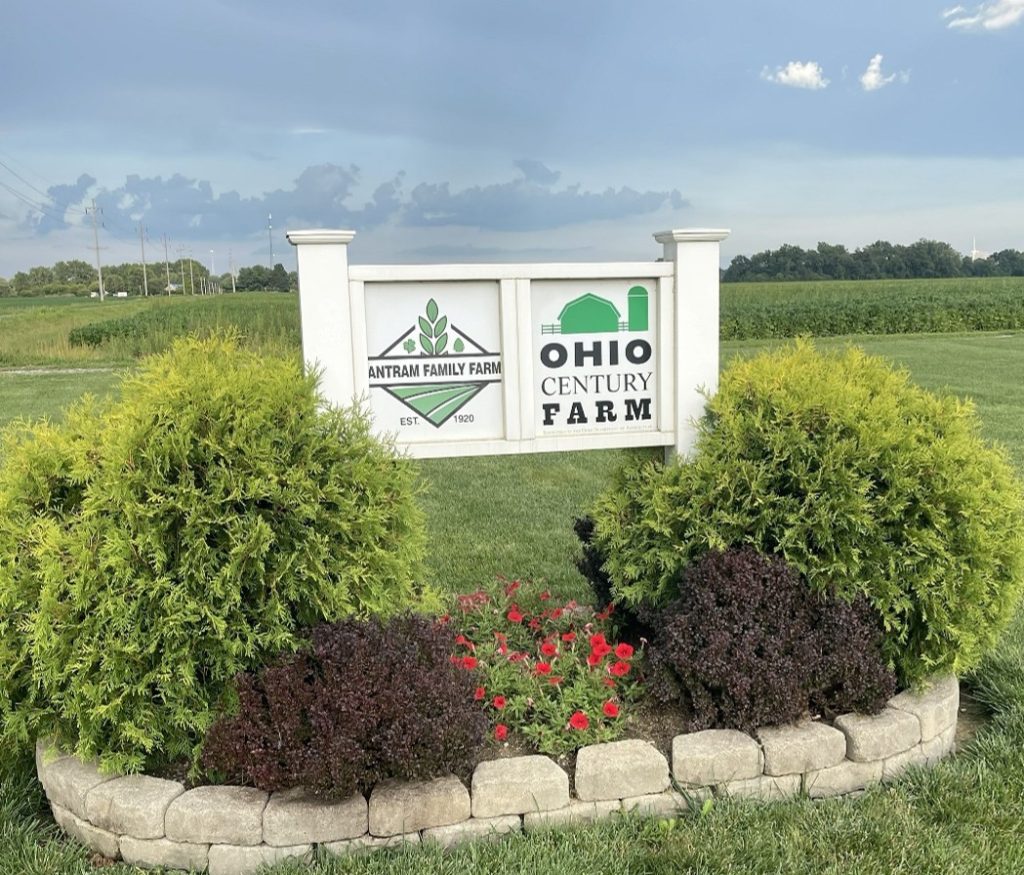
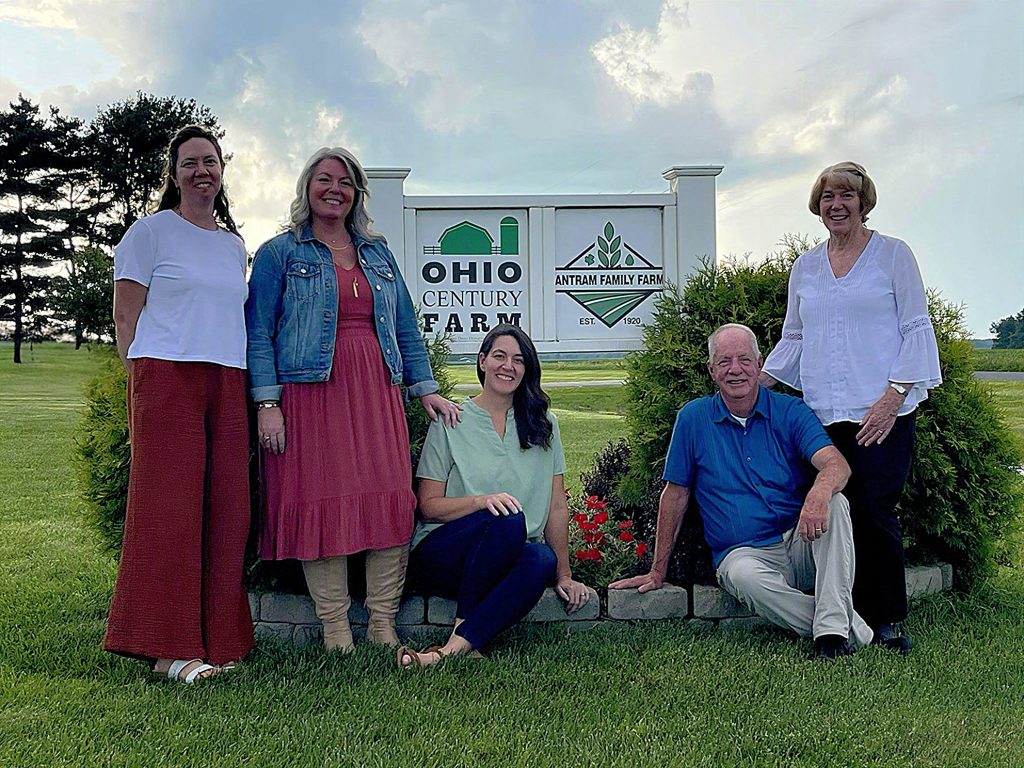
The Sign Means Something

Keeping farmland within a family for generations isn’t easy.

Land must pass through estates. Siblings must make decisions together. Financial pressures arise. Family members develop different interests and live in different places.

Sometimes selling is simply easier.

Joe understands that.

“I’ve seen it,” he said. “Farm families sometimes just say that it would be easier just to sell it and spilt the profit.”

That is one reason the Century Farm designation means so much to him.

The sign isn’t merely recognition of what previous generations accomplished. Joe sees it as a message to the generations that follow.

It says: This place mattered enough for people before you to keep it.

And perhaps that knowledge will matter when a future generation faces its own difficult decision.

“If this generation and then the next generation have a point of reference—seeing that sign out there and knowing it’s important and knowing how many years, I just can’t help but think that we’re doing something right,” Joe said.

Joe and Marianne believe their generation has improved the property through drainage, fertility, farming practices, the home they built, the woods they maintain for family recreation and the choices they have made about the land.

Someday, Joe hopes to meet the generations who came before him again.

“When we meet my parents and my grandparents someday in heaven,” he said, “I hope that they will say, ‘Job well done.’”
Where Pride Really Comes From

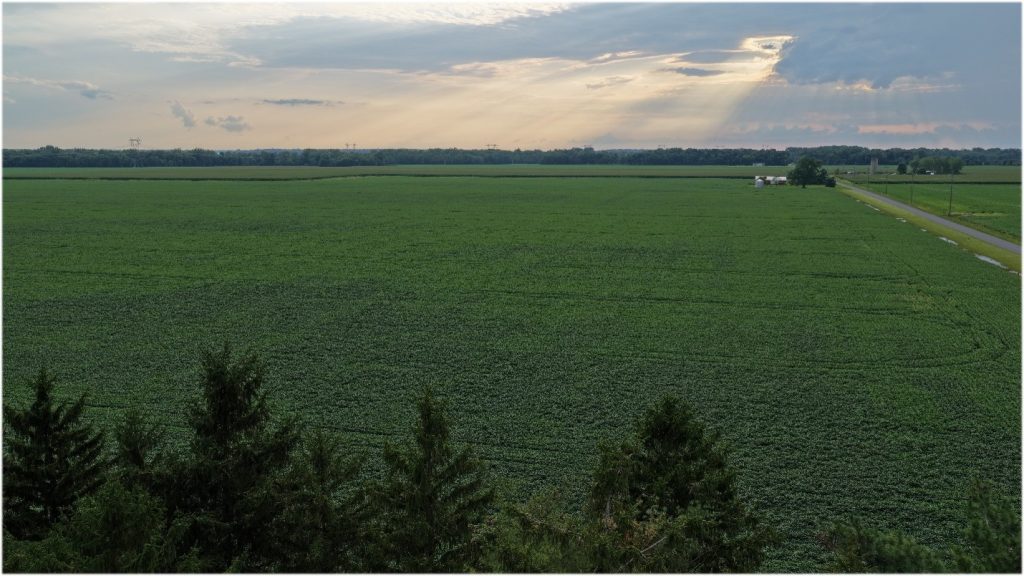
There is pride in being recognized as a Century Farm. There is pride in the Antram name and in knowing that five generations have now walked the same ground.

But Meagan offered perhaps the best explanation of what that pride actually means.

It cannot simply be inherited.

“You can’t be told to have pride in something,” she said.

It has to be experienced.

It comes from helping plant potatoes. From riding in the tractor. From working in the garden. From preserving food. From participating in decisions about the farm. From letting children explore the woods, fields and barns.

It comes, quite literally, from touching the land.

“It’s made deeper and more meaningful when the dirt is under your fingernails,” she said. “That’s where the real pride comes from.”

Since building their own home on their farm in 2010, Joe and Marianne’s grandchildren are beginning to experience the same thing.

When they visit the farm, screens are put aside. They head for the woods, fields, yard and barn.

Sometimes they don’t want to leave.


“It’s Worth Holding On To”

Across Ohio, family farms face enormous pressures. Economics change. Families change. Communities grow. Land becomes valuable for purposes other than agriculture.

The Antrams understand that every family must make its own decisions.

But after more than a century on this particular piece of Logan County soil, their own conclusion is simple:

It is worth holding on to.

A family farm provides food and agricultural production, but its value can reach far beyond what is harvested from its fields.

It carries stories.

It teaches children.

It provides habitat.

It preserves open space.

It connects generations who never had the opportunity to meet.

And collectively, family farms help define the rural character of Logan County.

“We all need to work together to keep our heritage and values of the land for the generations of the future,” Joe said. “We’re doing our part, and we hope that others will do the same.”

During the interview at the Antram home, Melanie noticed something happening quietly in the background.

Through the open windows came the sounds of cicadas, crickets and hummingbirds.

“You can hear all of nature right through the windows,” she said, “and we know that it’s a healthy farm because you can hear those sounds. So, we want to keep it healthy.”

Perhaps that is the Antram Century Farm story in its simplest form.

In 1920, one generation managed to hold onto a farm.

More than a hundred years later, another generation is asking how to leave it healthier, stronger and more meaningful for the next.

And somewhere between the horseshoes still emerging from the fields and the grandchildren exploring the woods is the reason why.

The farm isn’t simply something the Antram family owns.

It is part of who they are.